
District-Wide Emergency Readiness Infrastructure
Multiple Campuses.
One Operational Readiness Standard.
While certification programs are often present, emergency response systems across campuses are frequently informal, inconsistent, or dependent on individual staff knowledge.
Reliable emergency response requires structured infrastructure that aligns leadership oversight, responder activation, and equipment accessibility across every campus.
Common variability includes:
Infrastructure reduces variability. Reduced variability increases reliability.
- Inconsistent emergency recognition and escalation procedures
- Unclear responder activation during critical events
- Variability in equipment placement and accessibility
- Staff turnover affecting operational continuity
- Documentation and response reporting inconsistencies
Operational Environments
Emergency response systems must function reliably across multiple operational environments within a school district.
Structured infrastructure ensures that response procedures remain consistent regardless of the environment or activity occurring when an emergency happens.
Game-Day Environments
High-attendance athletic events introduce operational complexity and increased response risk. ERIS infrastructure ensures clear activation protocols and coordinated response across athletic staff, event personnel, and campus responders.
Athletic Practice Environments
Practice environments often rely on coaches and distributed staff. Structured responder activation protocols ensure emergencies are recognized quickly and response begins immediately.
Daily Campus Operations
During daily campus operations, emergencies often begin with distributed staff rather than clinical personnel. Clear response sequencing ensures responders activate quickly and intervention begins before EMS arrival.

Certification Validates Skill. Infrastructure Creates Reliability.
Many districts ensure staff certification. Far fewer evaluate whether their emergency response systems function reliably across campuses.
Certification validates individual skill. ERIS infrastructure ensures system performance.
Structured assessment identifies:
- Multi-campus operational variability
- Emergency recognition and activation delays
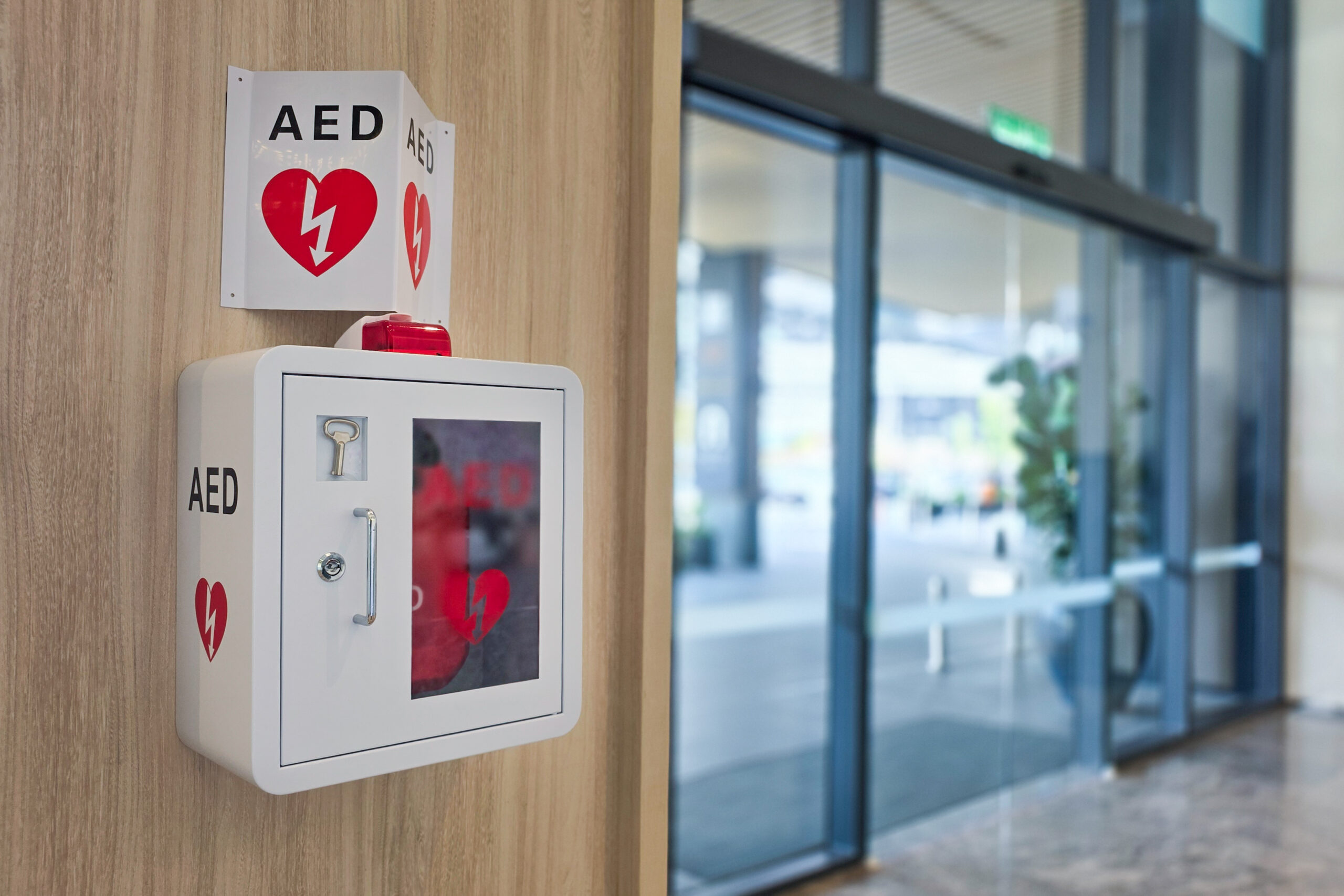
- Equipment accessibility and deployment readiness
- Role clarity and response sequencing
- Documentation and reporting consistency

Regulatory Alignment & Youth Sports Readiness
While regulatory requirements address planning and certification, operational reliability depends on structured response systems.
The ERIS framework aligns regulatory compliance with operational readiness, ensuring campuses can respond effectively during critical incidents.

District Infrastructure Assessment
The assessment evaluates response system clarity, equipment accessibility, responder activation protocols, and operational coordination across representative campuses.
District leadership receives a formal readiness report identifying variability, risk exposure points, and implementation priorities.
Assessment Includes:
- Campus-level emergency response system evaluation
- Equipment deployment and accessibility review
- Response activation and escalation analysis
- Documentation and reporting integrity assessment
- Executive readiness report with phased implementation roadmap

Youth Sports & Athletic Program Readiness
Athletic programs introduce additional operational complexity. Volunteer coaches, rotating personnel, and event-based staffing require structured activation clarity.
We support:
- Cardiac emergency response planning
- AED deployment alignment
- Staff and coach certification alignment
- Incident documentation structure
- AB 310 readiness coordination
Athletic readiness must align with district-wide standards.