
Operational Readiness Before EMS Arrives
The Emergency Response Infrastructure Standard (ERIS™) evaluates how organizations respond during the critical minutes before emergency medical services arrive.

The Operational Readiness Gap
Most organizations rely on CPR or AED training to prepare for emergencies. While this training builds important skills, it does not evaluate how the entire response system performs during a real event.During an emergency, success depends on coordination, communication, and quick access to resources. Without a clear response structure, valuable minutes can be lost.
ERIS focuses on the critical time between the emergency and the arrival of EMS.
- Emergency Occurs
- First 3 Minutes
- EMS Arrives
The ERIS Operational Architecture
Layer 1 – Recognition
Emergency identification and response activation.
Layer 2 – Response Structure
Deployment of resources and coordination of responders.
Layer 3 – EMS Integration
Transition from internal response to EMS.
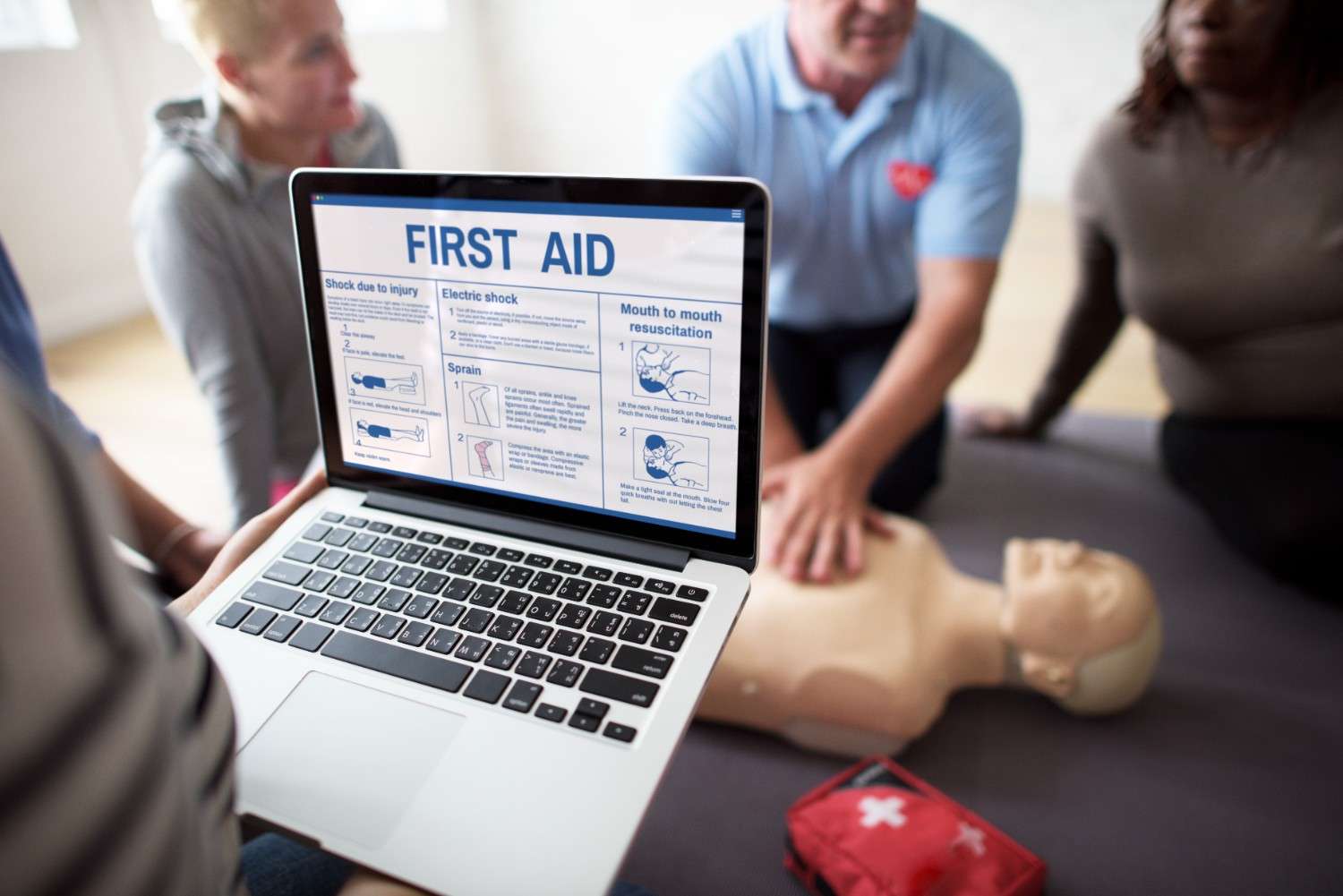
Six Milestones of Effective Emergency Response
ERIS examines six key stages that occur during a medical emergency.
- Emergency Recognition
- Response Activation
- Resource Deployment
- Responder Role Structure
- EMS Interface
- Event Documentation

ERIS Readiness Score
Organizations evaluated through ERIS receive a readiness score from 0 to 100. This score reflects how well their emergency response infrastructure is designed and implemented.The score helps leadership quickly identify strengths and potential gaps.
Score Ranges
- 90–100
Operational readiness architecture established
- 75–89
Strong infrastructure with minor gaps
- 60–74
Moderate vulnerabilities
- Below 60
Significant vulnerabilities
How ERIS Evaluation Is Conducted
The ERIS evaluation provides a structured review of an organization’s emergency readiness.
The process includes:
- Leadership briefing
- Response architecture assessment
- Facility resource mapping
- Readiness scoring
- Executive findings review
Industries Exploring ERIS
Organizations across several sectors are exploring the ERIS framework to strengthen emergency preparedness.
- Healthcare systems
- School districts
- Manufacturing
- Corporate campuses
- Sports venues
- Hospitality environments
Executive Briefing
Learn how ERIS can help your organization evaluate and strengthen emergency response readiness.
Request A Safety Consultation
Tell us about your organization and we will follow up to discuss structured readiness alignment.